

General surgery covers a broad range of medical procedures involving different parts of the body. Surgeons may treat conditions affecting the abdomen, skin, soft tissues, digestive system, or other organs. Because each procedure presents unique challenges, surgical teams require a wide selection of dependable instruments.
General surgical instruments can be divided into several main groups. Cutting and dissecting instruments, including scalpels and surgical scissors, are used to separate tissues. Grasping and holding instruments, such as tissue forceps, help the surgeon securely manage tissue during an operation. Clamps and haemostatic forceps assist in controlling bleeding, while retractors keep the surgical site open and visible.
Needle holders are used during wound closure, and suction instruments help remove fluids from the operating area. Although every instrument has a different purpose, all of them must work together smoothly. Surgical procedures require concentration and coordination, and dependable instruments allow the medical team to focus on the patient rather than equipment-related difficulties.
Material quality is one of the most important factors in surgical instrument production. High-grade stainless steel is widely preferred because it offers strength, corrosion resistance, and the ability to withstand repeated sterilization. Surgical instruments must maintain their shape, alignment, and functional performance even after regular use.
"In the operating room, reliability is not optional; every instrument must perform exactly when it is needed." - Blackbear
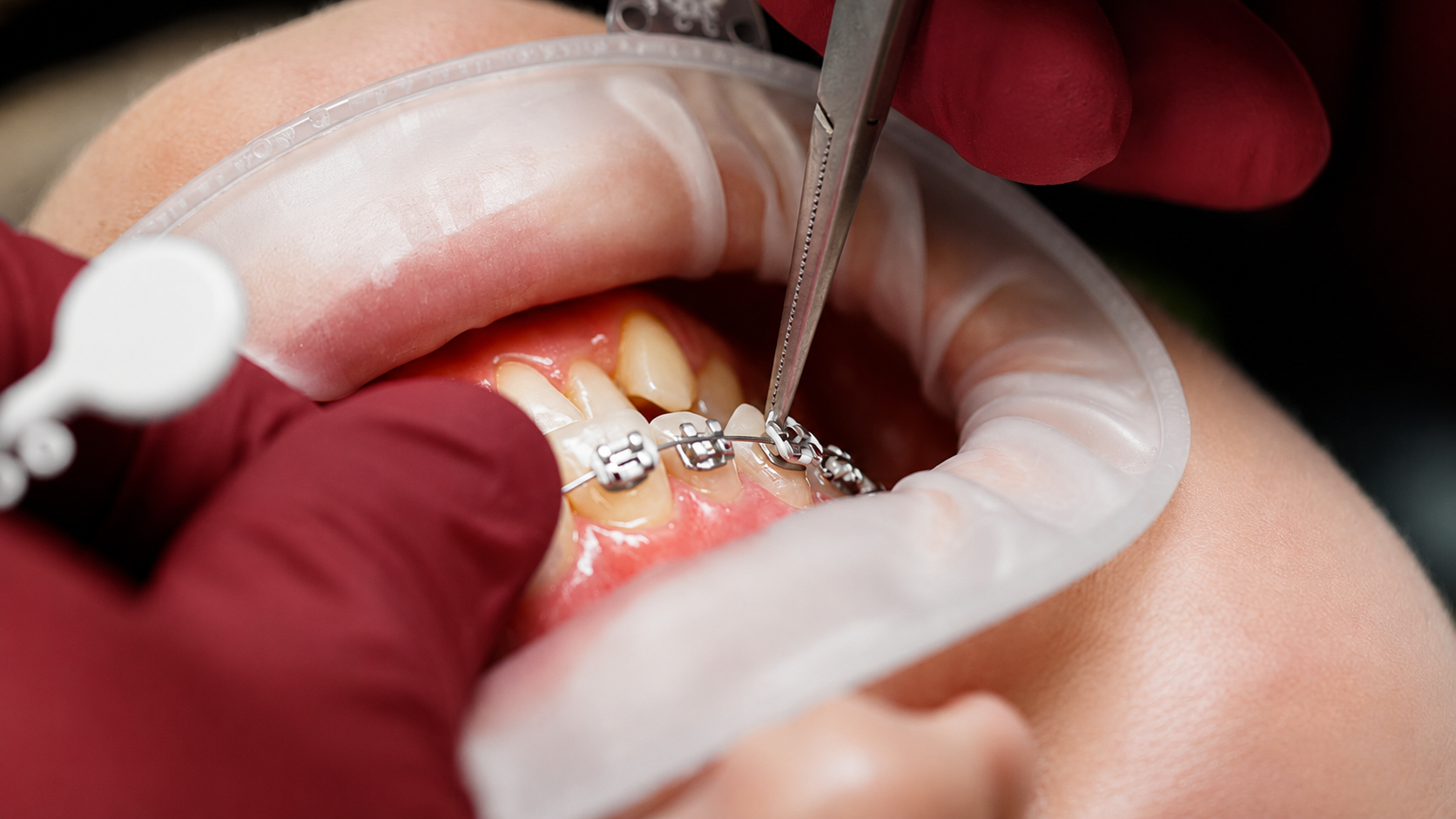
The finishing of an instrument is also important. Smooth surfaces are easier to clean and reduce the chances of material becoming trapped in small areas. Properly finished instruments also improve handling and visibility under operating-room lighting. Serrations, teeth, joints, and cutting edges must be manufactured with precision to provide the intended grip or cutting performance.
Ergonomic design supports both accuracy and comfort. Surgeons may perform procedures that last for several hours, and poorly balanced instruments can contribute to hand fatigue. A comfortable handle, responsive joint, and appropriate weight can help the surgeon maintain control during delicate movements.
Cleaning, sterilization, and inspection are essential for preserving instrument quality. After use, surgical instruments should be handled carefully and processed according to hospital protocols. Instruments with joints should be opened during cleaning, while damaged instruments should be removed from service. Regular maintenance helps extend product life and reduces the risk of failure during a procedure.
General surgery instruments represent a connection between medical knowledge and practical action. The surgeon’s skill guides the procedure, but the instrument transfers that skill to the surgical site. For this reason, healthcare facilities should carefully consider quality, durability, and consistency when selecting their instruments.
At FiveDee, general surgery instruments are manufactured through a controlled production process. Each tool is shaped, finished, tested, and inspected before it reaches the customer. By maintaining strict standards throughout production, FiveDee aims to provide instruments that support surgical professionals during routine procedures as well as more demanding clinical situations.