

Orthodontic treatment is a carefully planned process that gradually improves the position of teeth and jaws. From the first consultation to the final adjustment, orthodontists depend on specialized instruments to perform procedures accurately and efficiently. The right orthodontic tools help professionals place, adjust, and remove braces while maintaining patient comfort.
Orthodontic instruments are different from general dental tools because they are designed for highly specific tasks. Pliers are among the most commonly used instruments in orthodontic practices. Different types of pliers are used for cutting wires, forming loops, placing brackets, bending arches, and removing appliances. Each instrument must provide a secure grip and allow controlled movement within a limited working area.
Distal-end cutters, ligature cutters, Weingart pliers, bird-beak pliers, bracket-removing pliers, and band-removing instruments all play important roles in orthodontic treatment. Since wires and brackets are small, the tips of these instruments must be precisely aligned. Even minor manufacturing defects can make the instrument less effective or uncomfortable to use.
Durability is especially important because orthodontic instruments frequently come into contact with metal wires and appliance components. The cutting edges must remain sharp, while the joints should continue to move smoothly after repeated use. High-quality stainless steel provides the strength and resistance required for long-term clinical performance.
"A confident smile is built through careful planning, professional skill, and instruments designed for precision." - Fivedee Instruments
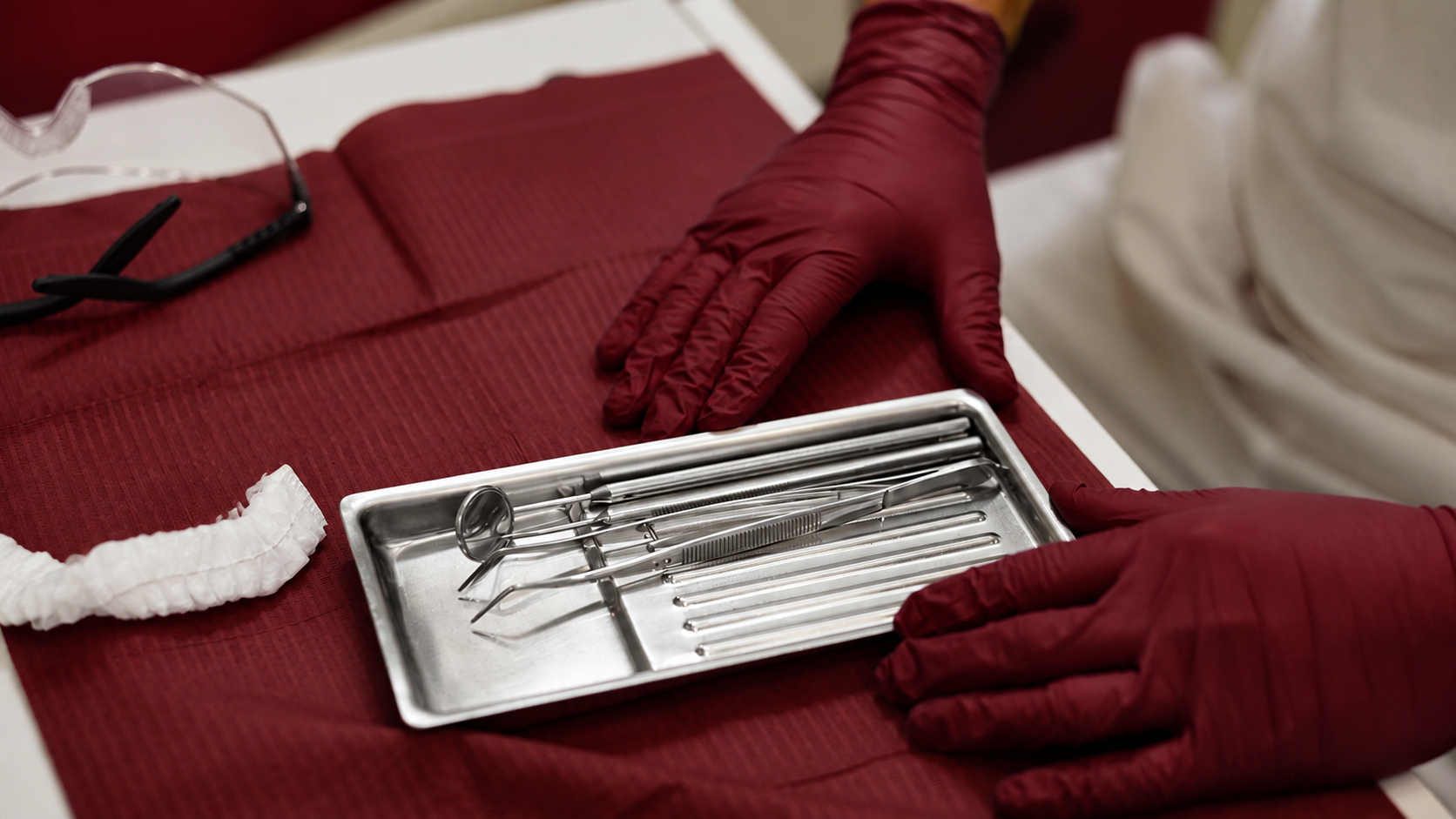
Ergonomics also has a significant influence on an orthodontist’s daily work. Orthodontic appointments often involve repeated hand movements. Instruments that are too heavy, poorly balanced, or difficult to grip may cause fatigue. A well-designed handle offers comfort, stability, and better control, allowing the professional to perform adjustments more efficiently.
Instrument care is another essential part of orthodontic practice. After every procedure, instruments must be cleaned and sterilized according to established clinical protocols. Cutting instruments should be inspected regularly because damaged or dull edges may crush the wire instead of making a clean cut. Hinges should remain free of debris, and lubrication may be required to preserve smooth movement.
The success of orthodontic treatment depends on more than the appliance itself. Braces, wires, bands, and aligners must be managed with accuracy throughout the treatment period. A reliable instrument enables the orthodontist to make small and controlled adjustments that support gradual tooth movement.
Orthodontic patients often receive treatment for several months or years. During this time, consistency is essential. Instruments that deliver dependable performance during every appointment help the orthodontist maintain the treatment plan and achieve predictable results.
At FiveDee, orthodontic instruments are developed with professional requirements in mind. Each stage, from forging and machining to polishing and inspection, contributes to the final quality of the product. By combining precise construction, durable materials, and comfortable handling, dependable orthodontic instruments support clinicians in creating healthier bites and more confident smiles.