Dental Instruments: Precision That Supports Better Patient Care
BlogBy Fivdee Surgical InstrumrntsSeptember 24, 20265 min read
Dental treatment requires accuracy, control, and complete attention to detail. Whether a dentist is performing a routine examination, tooth extraction, restorative procedure, or oral surgery, the quality of the instruments can directly influence the efficiency of the procedure. Reliable dental instruments allow professionals to work confidently while maintaining patient comfort and clinical safety.
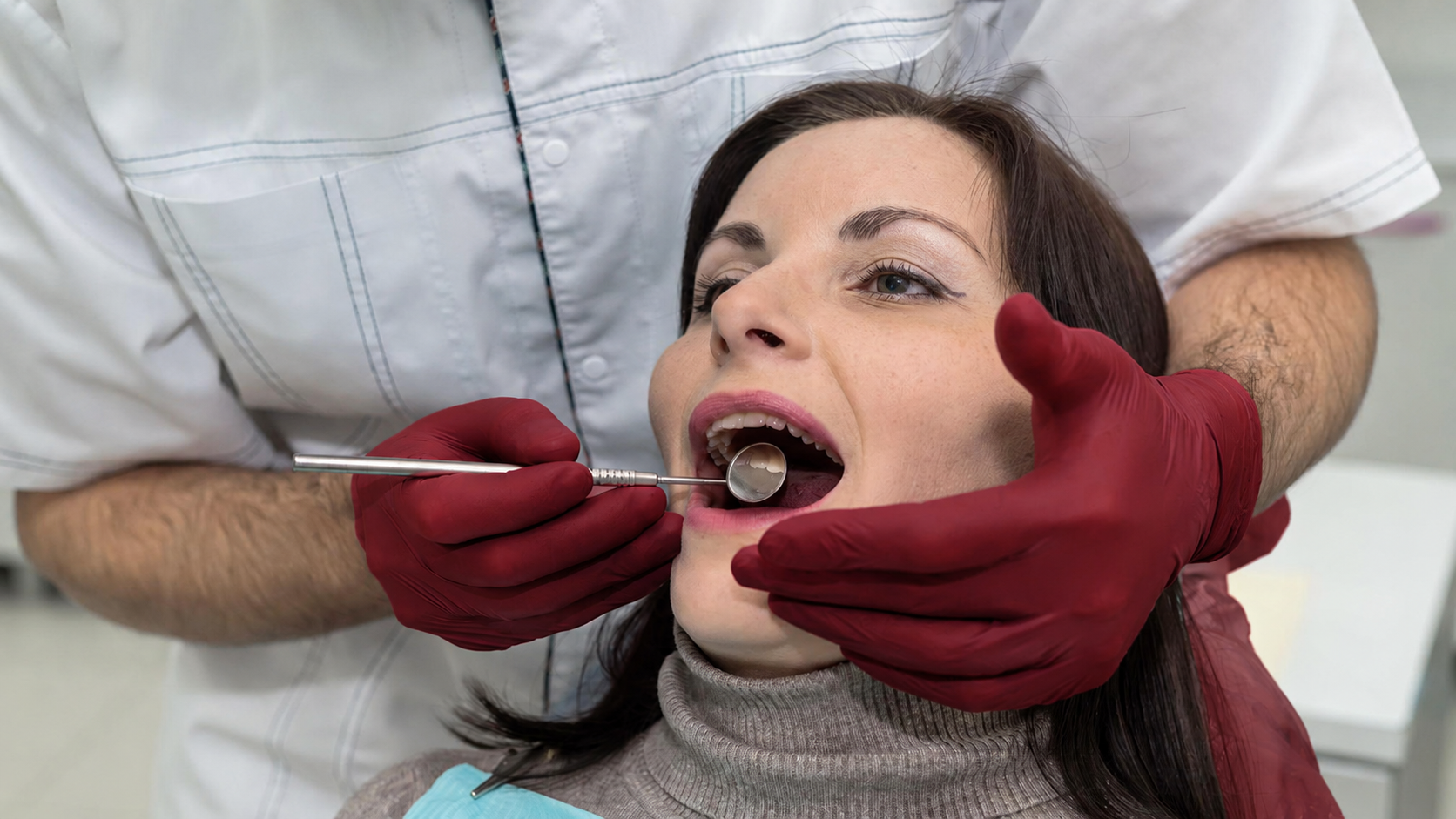
Dental instruments are designed for a wide range of procedures. Diagnostic tools such as dental mirrors, explorers, and probes help dentists examine the condition of teeth and gums. Extraction forceps, elevators, root-tip instruments, and surgical scissors support more complex treatments. Each instrument has a specific shape and purpose, allowing the dentist to access difficult areas of the mouth with greater precision.
One of the most important qualities of a dental instrument is its material. High-grade stainless steel is commonly used because it provides strength, corrosion resistance, and durability. Dental instruments are repeatedly cleaned, disinfected, and sterilized, so they must be able to maintain their performance over time. A poorly manufactured instrument may lose alignment, sharpness, or grip, making procedures more difficult and increasing the risk of delays.
Ergonomic design is also essential. Dentists often perform detailed procedures for extended periods, and uncomfortable instruments can cause hand fatigue. Well-balanced instruments with secure handles offer better control and reduce unnecessary pressure on the hand and wrist. This becomes especially important during delicate procedures where even a small movement can affect the outcome.
"In dentistry, precision is not only a requirement; it is the foundation of confident patient care.." - Fivedee Instruments
The correct maintenance of dental instruments is equally important. Instruments should be cleaned soon after use to prevent biological material from drying on the surface. Hinged instruments must be opened during sterilization, while sharp tools should be handled carefully to protect both the staff and the instrument itself. Regular inspection can help identify signs of corrosion, damage, or reduced performance.
Modern dentistry continues to evolve with new technologies and treatment methods. However, dependable hand instruments remain an essential part of every dental clinic. Digital equipment may improve diagnosis and planning, but the final procedure often depends on the dentist’s skill and the quality of the instrument in hand.
Choosing high-quality dental instruments is therefore a long-term investment. Reliable tools can improve workflow, support accurate treatment, and help maintain consistent clinical standards. For dental professionals, instruments are not simply accessories; they are an extension of their expertise.
At FiveDee, attention to detail is placed at every stage of instrument production. From material selection and shaping to finishing and quality inspection, each instrument is developed to support professional performance. When precision, durability, and comfort come together, dental professionals can focus on what matters most: providing dependable care to every patient.