

Veterinary medicine involves the diagnosis, treatment, and surgical care of animals of different sizes and species. A veterinarian may treat household pets, livestock, birds, or other animals, each with different anatomical and clinical requirements. Because of this variety, veterinary professionals need instruments that are versatile, durable, and reliable.
Veterinary instruments are used during examinations, dental treatments, wound management, obstetric procedures, and surgery. Common instruments include forceps, scissors, needle holders, retractors, clamps, hoof-care tools, dental instruments, and specialized surgical equipment. The correct tool helps the veterinarian complete the procedure safely while reducing unnecessary stress for the animal.
Unlike human patients, animals may not remain still during an examination or procedure. This makes control especially important. Instruments must provide a secure grip and respond accurately to the veterinarian’s hand movements. A poorly aligned or uncomfortable instrument can make an already challenging procedure more difficult.
Veterinary instruments must also be manufactured from strong and corrosion-resistant materials. High-quality stainless steel is commonly selected because veterinary tools are regularly exposed to moisture, cleaning solutions, sterilization, and biological material. Durable instruments can maintain their functional performance over time, even in demanding clinical or field environments.
"Every animal deserves careful treatment, and every veterinarian deserves instruments they can trust." - Fivedee Instruments
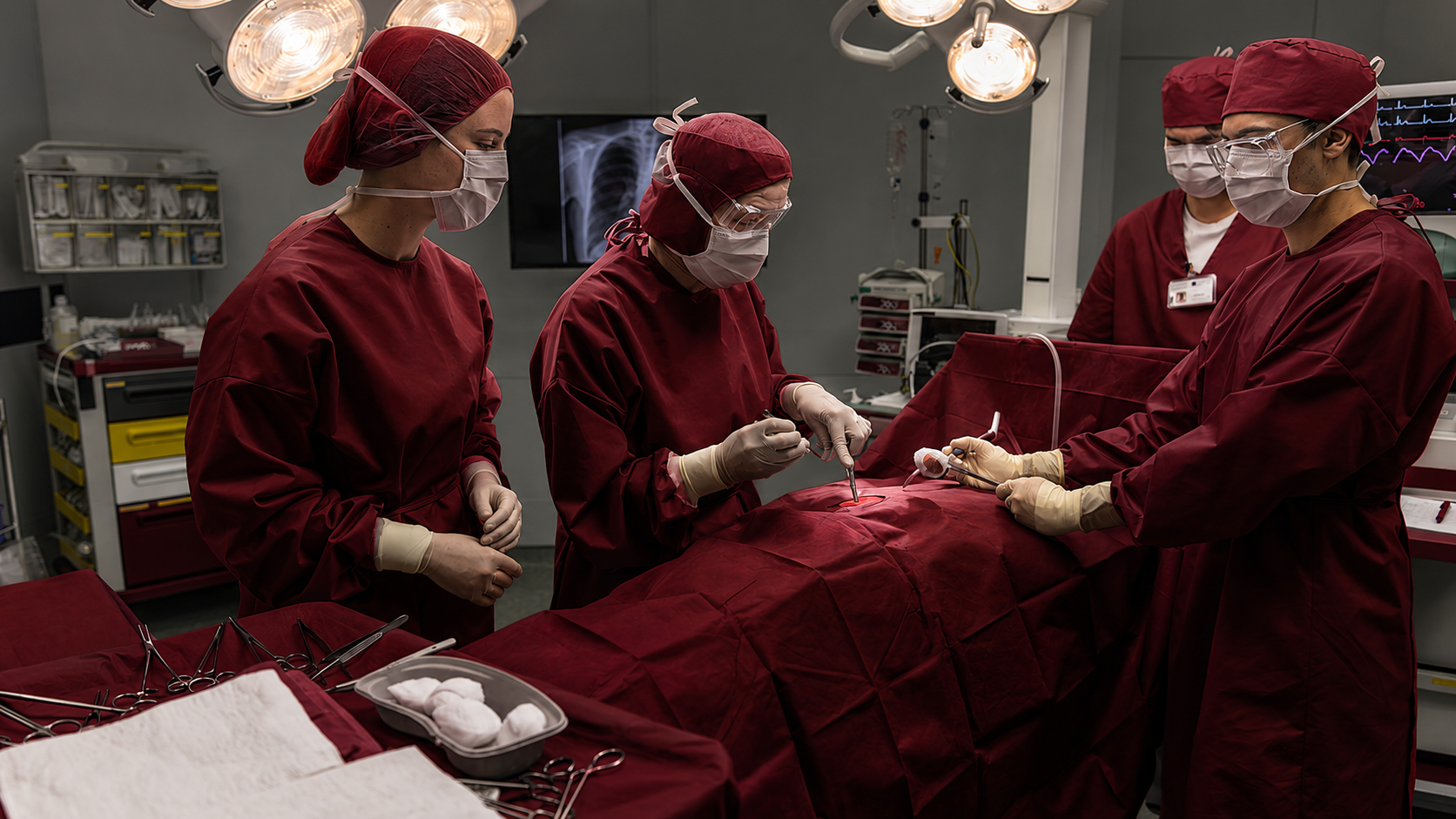
Ergonomic design plays an important role in veterinary care. Veterinarians often work in different positions and environments, including clinics, farms, shelters, and outdoor locations. Instruments should therefore be comfortable to hold and easy to control. Well-balanced tools can improve precision and reduce fatigue during long or repetitive procedures.
Instrument selection may vary according to the size and species of the animal. A tool suitable for a small pet may not be appropriate for livestock or large-animal surgery. Veterinary clinics should maintain a suitable range of instruments to manage different cases effectively. Choosing the correct size and design can improve access, handling, and procedural efficiency.
Proper cleaning and sterilization are essential in veterinary practice. Instruments must be cleaned immediately after use and inspected for signs of damage, corrosion, or reduced performance. Hinged tools should move smoothly, and cutting instruments should remain sharp. Correct storage also helps prevent unnecessary contact, moisture exposure, and physical damage.
Veterinary medicine is not limited to treating illness. It also supports animal welfare, disease prevention, food safety, and public health. Reliable instruments enable veterinary professionals to perform their responsibilities with greater confidence, whether they are conducting a routine procedure or responding to an emergency.
At FiveDee, veterinary instruments are produced with attention to strength, functionality, and professional comfort. From the selection of materials to final quality control, every production stage is designed to support dependable performance. By providing instruments suitable for different veterinary applications, FiveDee helps professionals deliver responsible and effective care to animals across a wide range of environments.